A key is not yet a working fallback
A second home often feels like an obvious fallback option. You know the route, you have the key and you know where the basic facilities are. Yet that is not enough when normal services temporarily stop working.
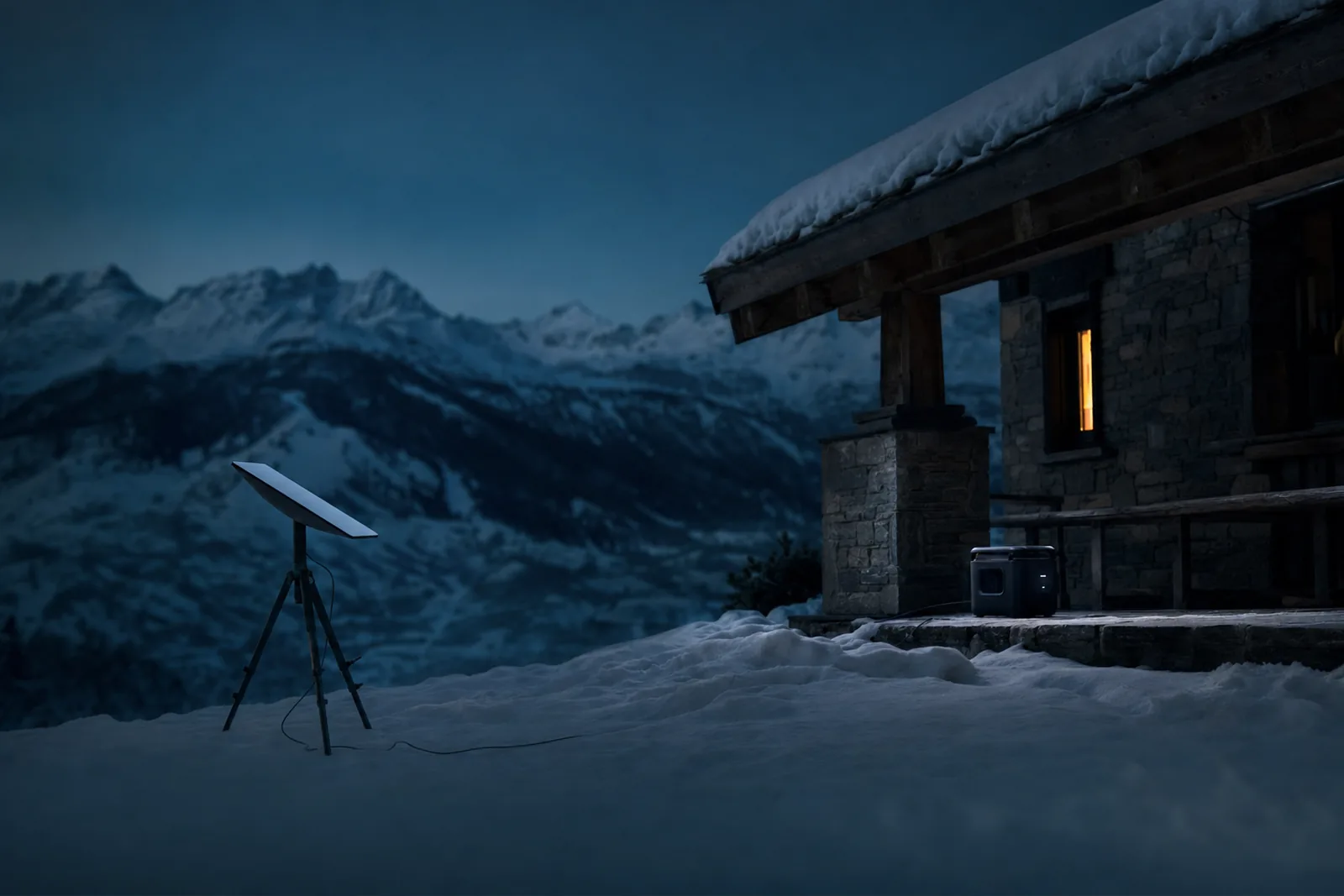
A mountain village often has weaker mobile coverage than a city. After a storm or heavy snowfall, restoring power and networks can take longer than in the city. That does not mean a second home is unsuitable. It does mean you need to understand the dependencies in advance.
Preparation therefore does not start with leaving, but with testing. Does the connection work where you actually sit? Can you charge equipment? Can you pay locally? Can you continue to manage your obligations in the Netherlands from there?
Connection needs more than a phone
Mobile coverage in a village or mountain area is not always consistent. One room may have a signal, another may not. It may work better outside than inside. If you only discover this when you need the connection, you lose time.
Satellite internet can be an alternative, but it needs a clear view of the sky. Mountains, buildings and weather can limit the connection. The right place for installation is therefore not a detail.
A good test is practical. Place the equipment where you expect to use it. Check whether the connection is stable enough for messages, essential payments and necessary communication. Record where it does and does not work, so others can use it too.
Power determines what keeps working
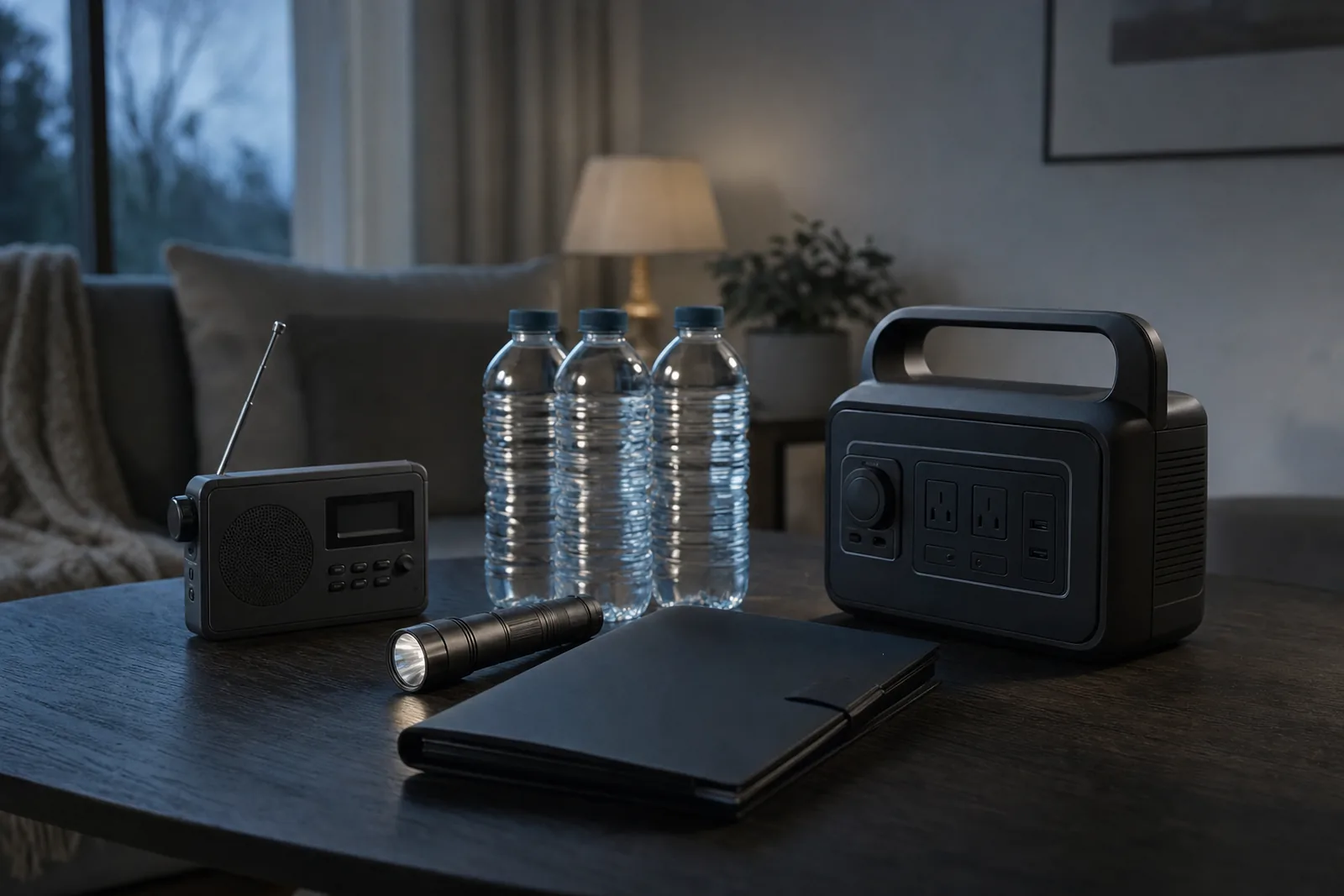
A fallback location without power soon becomes limited. Phones, routers, lighting, medical aids or laptops all need energy. A portable power station can help, but it will run down.
A foldable solar panel can recharge it. Output depends on light and positioning. In a mountain area, shade, orientation and weather can make a significant difference. You need to try this on site too.
Realistic preparation means making choices. Which devices are truly necessary? How long do they need to work? Which plugs, cables and adapters are already there? A power station is only useful if it is charged, accessible and suited to how it will be used.
Payments must work en route and locally
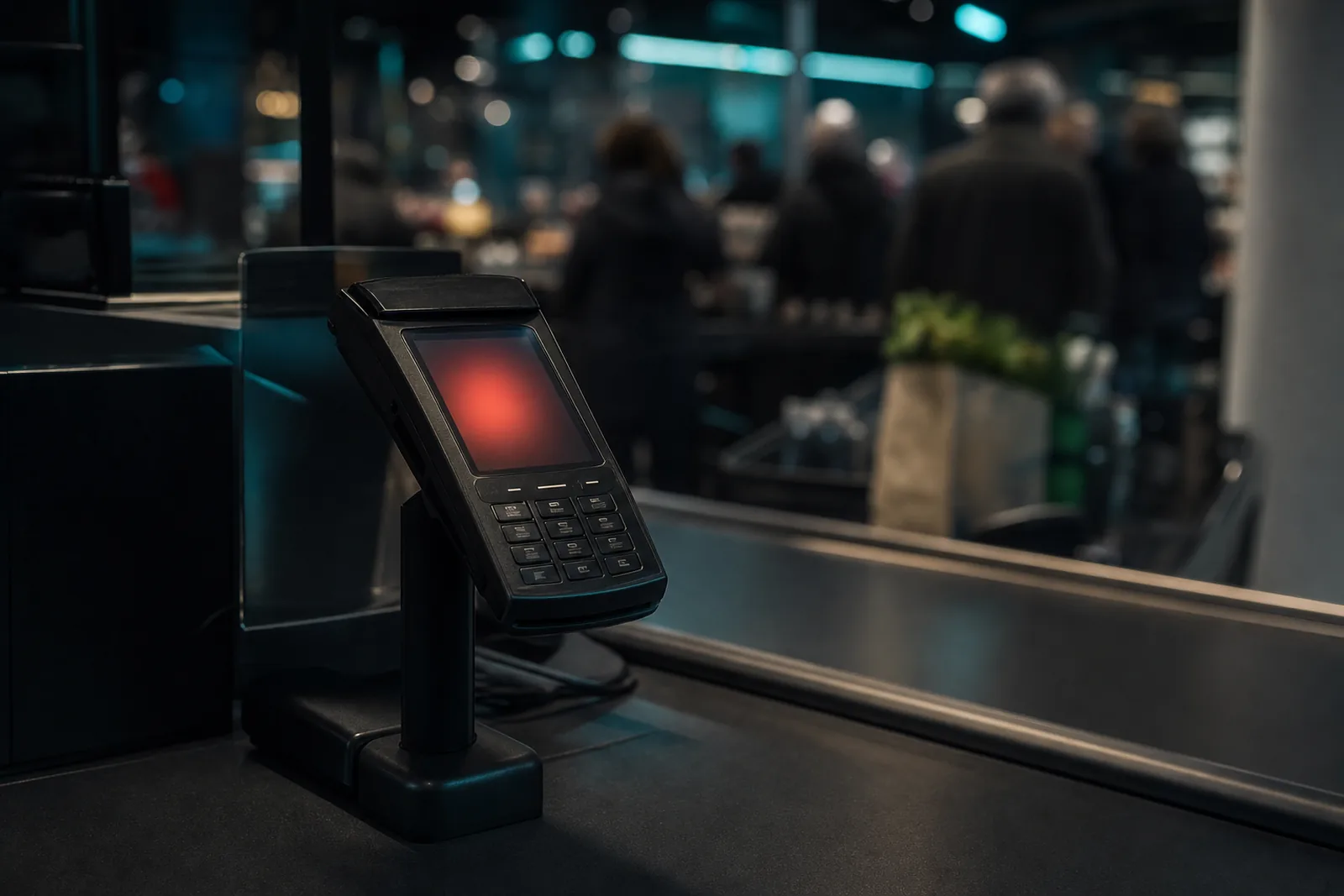
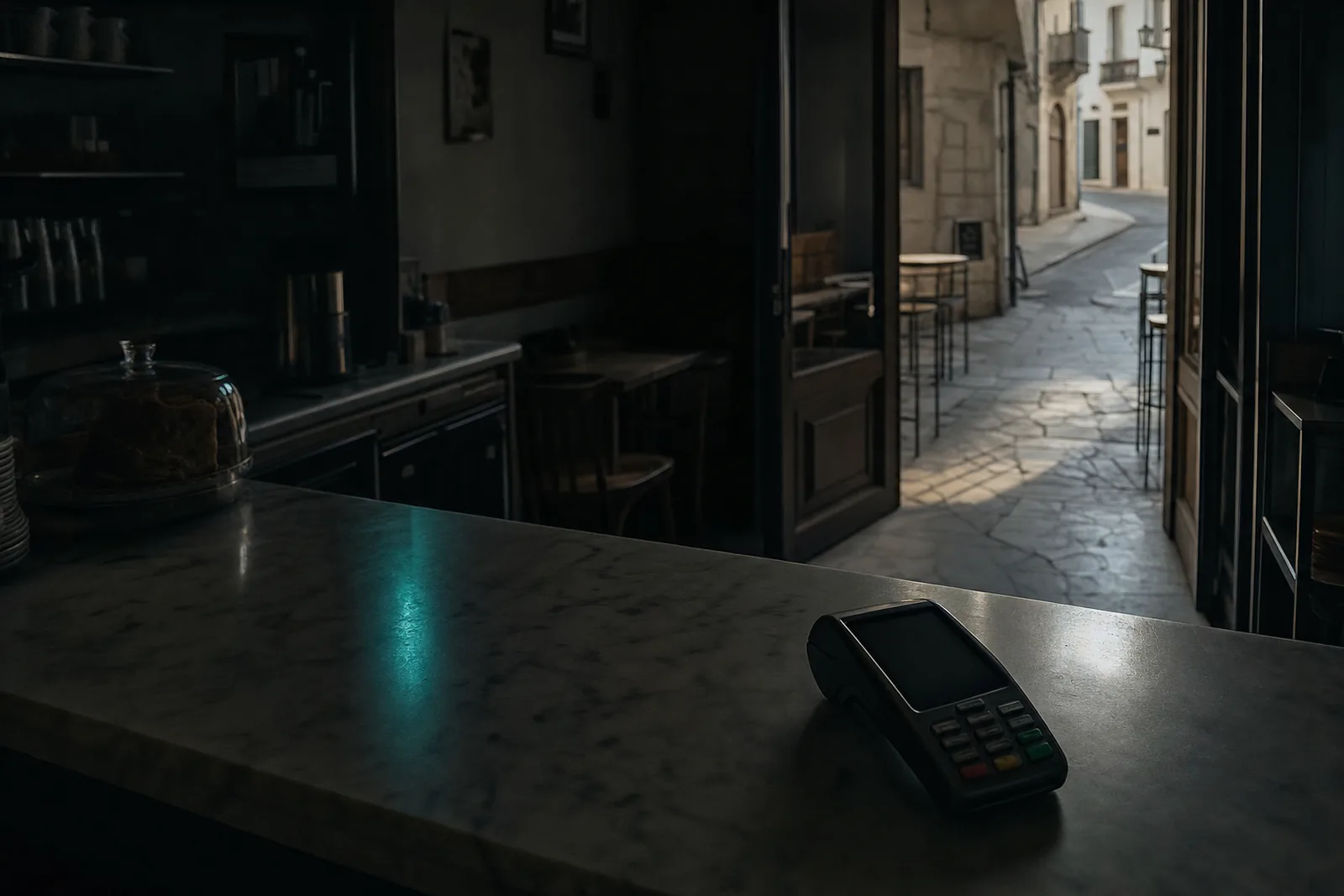
A second home as a fallback location requires payment options at three moments: at home before departure, en route and on site. On the way, you may need fuel, tolls, accommodation or groceries. Once there, daily expenses continue.
A card from a separate provider can be useful as an additional route. But this also has a limitation. The card only works if the card network and payment terminal are working.
Fixed costs in the Netherlands also continue. Think of a mortgage, staff and insurance. If you are temporarily abroad, it must be clear which payments run automatically, which need manual attention and who can act if you cannot be reached.
Test the plan as if leaving tomorrow
The best preparation is a trial on site. Drive to the house with the means you think you need. Set up the connection, charge devices, complete an essential online task and check local payment options.
Then create a simple step by step plan. Where is everything kept? In what order do you switch on equipment? Who receives which message? Which payments do you check? Which neighbours, managers or family members know the arrangements?
Keep the plan small enough to remain workable. A second home will not become a full alternative to all daily systems. It can, however, be a calm and usable temporary place if power, connection and payments have been considered in advance.
Sovaryn can help equip a second home as a practical fallback location, with satellite internet, independent power, a hardware wallet and a personal step by step plan. The resources have limitations and must be tested on site. That test is precisely what makes clear what does and does not work.